
Totaled or Repairable? How to Know When Collision Repair is No Longer Feasible
Understanding the difficult decision between repairing a vehicle and declaring it a total loss is crucial for car owners after a collision. The moments following an accident are often filled with stress and uncertainty, specifically regarding the financial and functional future of the automobile. This article provides a comprehensive guide on the factors that dictate whether a vehicle receives collision repair or is deemed irreparable. By examining valuation, structural integrity, and insurance protocols, drivers in the U.S. can navigate the aftermath of an accident with clarity and confidence.
Understanding Vehicle Valuation
When deciding the fate of a damaged vehicle, one primary consideration is the vehicle's market value in contrast to its replacement cost. Market value is the price a car would fetch in its current condition, while replacement cost refers to the amount required to replace the car with a similar model in a similar condition. Insurance companies often use these metrics to determine whether a vehicle is a total loss. If the cost to repair a vehicle surpasses its market value, it may be considered totaled. Each insurance policy may have specific criteria or thresholds when making these determinations, so understanding your policy is crucial.
Assessing the Impact of Depreciation
Depreciation plays a critical role in vehicle valuation, significantly affecting a car's worth over time. As vehicles age, their value decreases, impacting decisions about repairs. When a collision occurs, if the car is significantly depreciated, the repair costs might outweigh the benefits of restoring it. This makes understanding depreciation crucial for vehicle owners when considering whether to repair or replace a vehicle. The more depreciated a car is, the less feasible it may be to pour resources into repair efforts.
Evaluating Mileage and Age
Mileage and age are integral factors in determining a vehicle's worth and, consequently, its repair viability. High mileage can suggest increased wear and tear, likely requiring more substantial repair work. Older vehicles may lack the technology and durability found in newer models, affecting replacement part availability and repair costs. These factors can make repairing such vehicles financially unviable. When collision repair costs approach or exceed a significant portion of the vehicle's worth, it might be more logical to consider replacement rather than repair.
Evaluating the Extent of Damage
Structural damage is a key consideration when evaluating a vehicle post-collision. Damage to a car's frame can severely compromise its integrity and safety, making it potentially too dangerous or costly to repair. Professionals can assess whether the structural parts of a vehicle, like the frame or chassis, are bent or broken.
Differentiating Mechanical and Cosmetic Damage
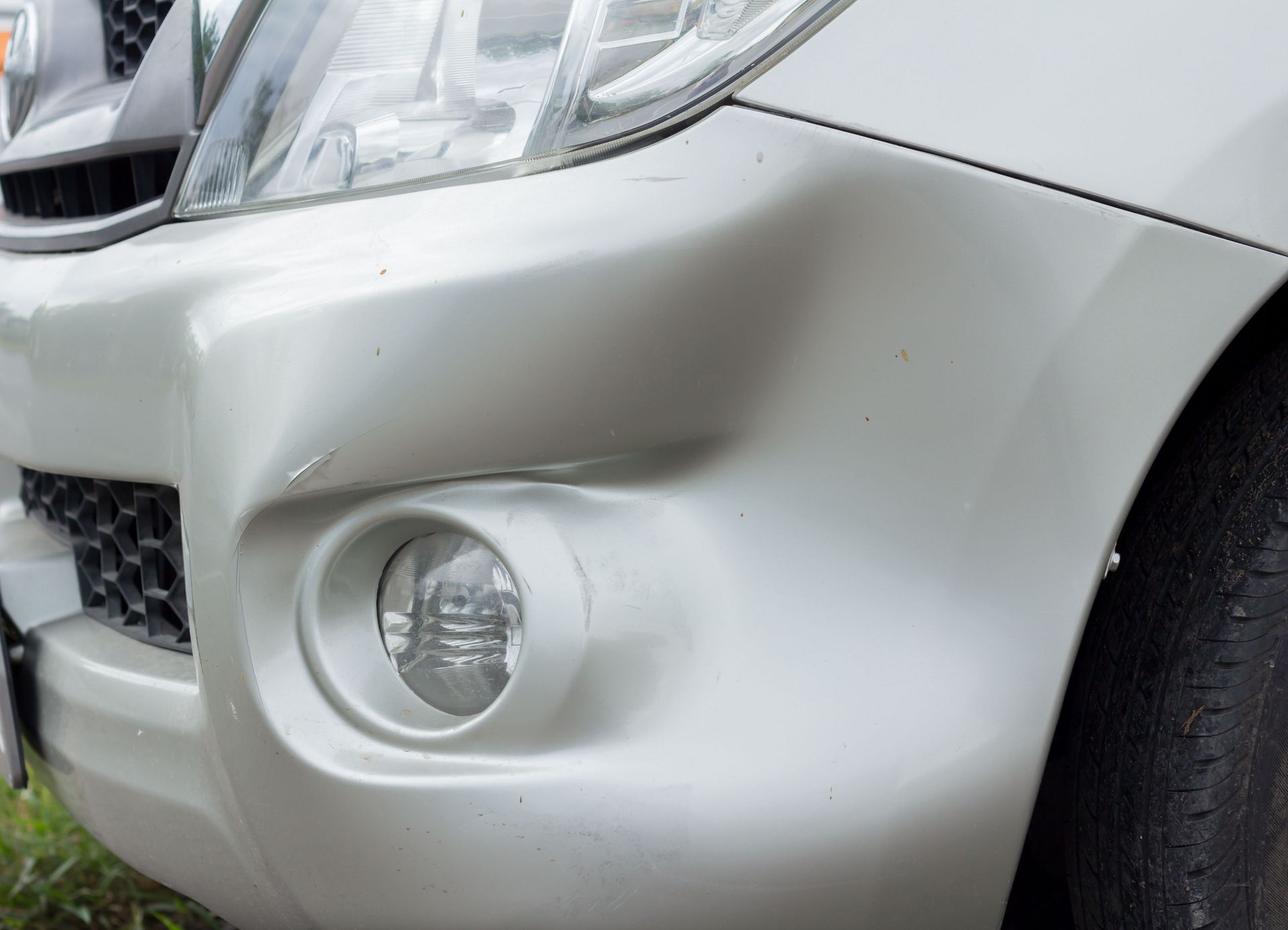
After a collision, it is important to differentiate between mechanical and cosmetic damage. Mechanical damage affects the performance and safety of the vehicle, potentially leading to costly repairs if not addressed immediately. Cosmetic damage, such as dents and scratches, while unsightly, may not necessitate immediate concern. However, failing to address cosmetic damage can lead to more severe issues over time, like rusting. Vehicle owners must decide if the cost of repairing mechanical or cosmetic damage is worth it relative to the vehicle's current value and future utility.
Utilizing Professional Assessments
Professional assessments are invaluable in determining the extent of vehicle damage. Certified auto repair shops can provide detailed evaluations and repair estimates. These assessments help in accurately gauging structural and mechanical damage, guiding decisions on whether repairs are feasible. Considering professional advice ensures that owners make informed decisions based on expert analysis rather than speculation.
Considering Insurance Thresholds
Each insurance company has specific thresholds to determine when a vehicle is considered a total loss. Typically, if repair costs exceed a certain percentage of the car's market value, insurers will deem it totaled. Understanding these thresholds is essential for vehicle owners to anticipate potential outcomes following a collision. This knowledge can also aid in negotiating claims with insurance adjusters, ensuring a fair assessment of the vehicle's worth.
Factoring in Deductibles
An often-overlooked factor in the decision-making process is the deductible stipulated in insurance policies. The deductible is the amount the policyholder must pay out of pocket before insurance covers the remaining costs. A higher deductible may make it financially difficult for some car owners to opt for repairs, even if costs fall below the total loss threshold. In such cases, balancing the immediate out-of-pocket expense with long-term gains or drawbacks becomes crucial. Owners need to assess whether the financial burden of repairs aligns with their current financial situation.
Exploring Coverage Options
Insurance coverage plays a pivotal role in the repair or replacement decision. Comprehensive and collision coverage can help mitigate costs, depending on the specifics of the policy. Exploring available coverage options and understanding what is included can help vehicle owners better prepare for potential outcomes. Some policies might offer replacement coverage, which could influence the decision to total a vehicle. Thorough knowledge of covered scenarios and economic implications ensures that car owners make sound decisions aligned with their insurance plans.
Managing Financial Implications
The financial implications of collision repair or totaling a vehicle are significant. Conducting a cost-benefit analysis helps in assessing whether the costs of repairs outweigh the benefits of a functional vehicle. This involves accounting for immediate repair costs, potential future repairs, and the impact on the vehicle's value. If repair costs are too high, investing in a new or used vehicle might be more financially sound. Evaluating the long-term financial implications ensures that vehicle owners make choices that reflect their financial goals and circumstances.
Reviewing Loan and Lease Agreements
Vehicles that are financed or leased have specific obligations that can influence repair or total loss decisions. For leased cars, turning in a damaged vehicle without repair could result in penalties. In cases where there is an outstanding loan, the vehicle's payout from insurance might not cover the remaining loan amount if it is totaled. Understanding these agreements and their financial implications is vital when making post-collision decisions. Ensuring alignment between repair costs and loan or lease terms can prevent unexpected financial strain.
Calculating Long-Term Financial Impact
Long-term financial impact extends beyond initial repair or replacement costs. A repaired vehicle might depreciate faster and might require more frequent and costly repairs. Evaluating the long-term costs and benefits allows vehicle owners to make financially informed decisions. Considering potential resale value and future market conditions can also contribute to a more comprehensive understanding. An informed financial approach helps in mitigating future losses and maintaining financial stability.
Evaluating Safety and Reliability Concerns
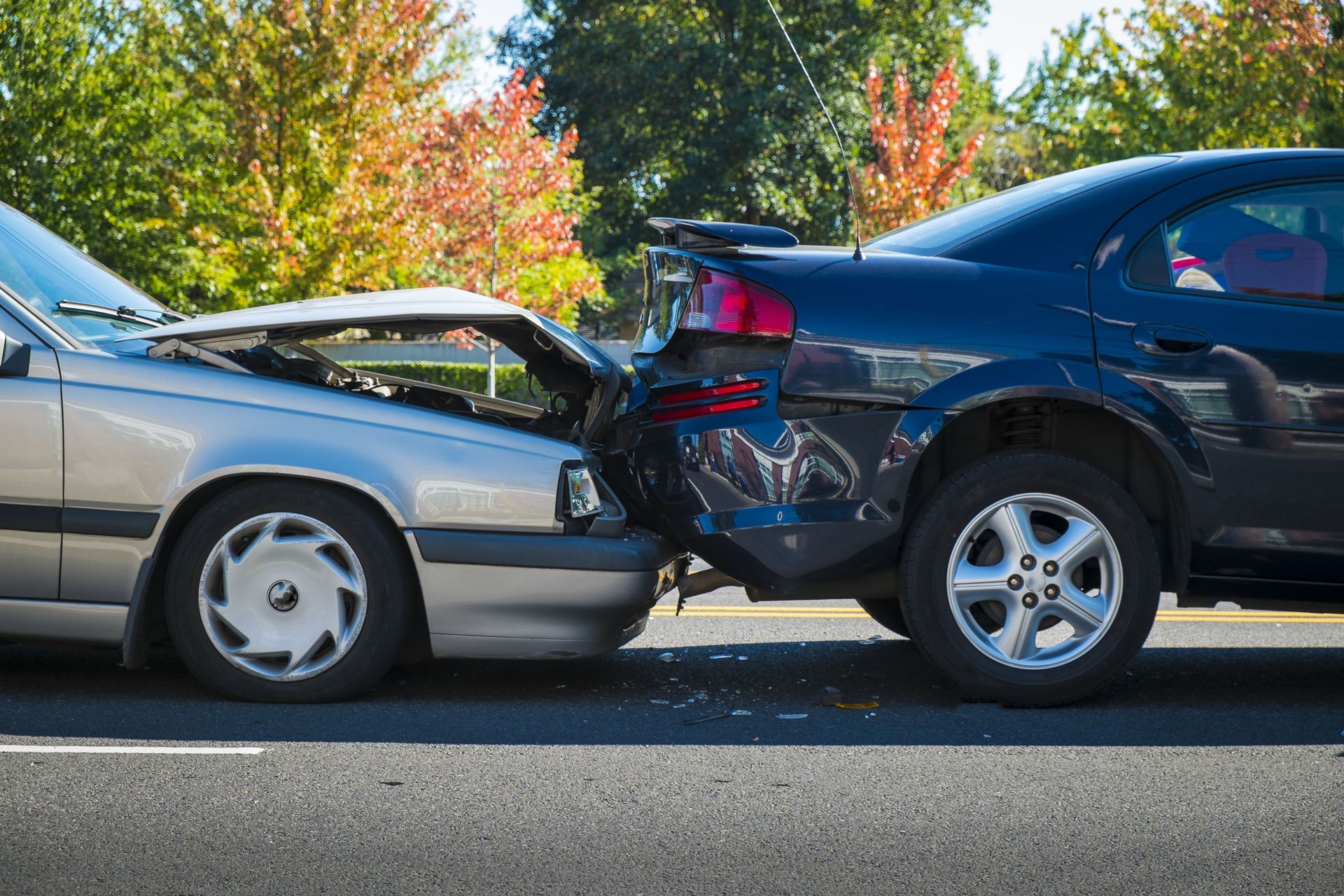
Post-repair safety evaluations are crucial when deciding whether to repair a vehicle. Adhering to industry standards and safety regulations can prevent future accidents and related liabilities. Unsatisfactory repairs may compromise functions like airbags, braking, or stability, posing risks to the driver and passengers. According to data from Amica Insurance, the U.S. sees approximately 1.7 million rear-end accidents every year, a statistic that highlights why vehicle safety standards must be maintained at an optimal level. Investing in quality repairs helps ensure that the vehicle maintains its crashworthiness and integrity.
Assessing Reliability of Repaired Parts
The reliability of repaired parts often dictates whether repairing a vehicle is a sensible decision. Parts that are poorly repaired or replaced with substandard materials can compromise vehicle performance and safety. A vehicle with unreliable parts has reduced efficacy and may require frequent servicing, leading to increased costs. Vehicle owners must ensure collision repair is performed by reputable service providers using high-quality parts. This commitment to quality can influence the vehicle's longevity and long-term financial implications.
Deciding between getting collision repair or considering your vehicle a total loss involves a complex evaluation of multiple factors, including financial, safety, and future implications. The choice is never easy, but by meticulously analyzing the structural health of the car and the financial thresholds set by insurers, you can choose the path that offers the most security. Whether you decide to restore your current car or move on to a new one, prioritizing professional expertise is the most important step in the process.
If you are currently facing the uncertainty of a damaged vehicle and need an honest, professional assessment of your options, reach out to the experts. Contact Bump & Grind Auto Body today to discuss your collision repair needs and receive a detailed evaluation to help you decide the future for your vehicle.

Share On: