
Everything You Need to Know About Paintless Dent Repair as a Collision Repair Service
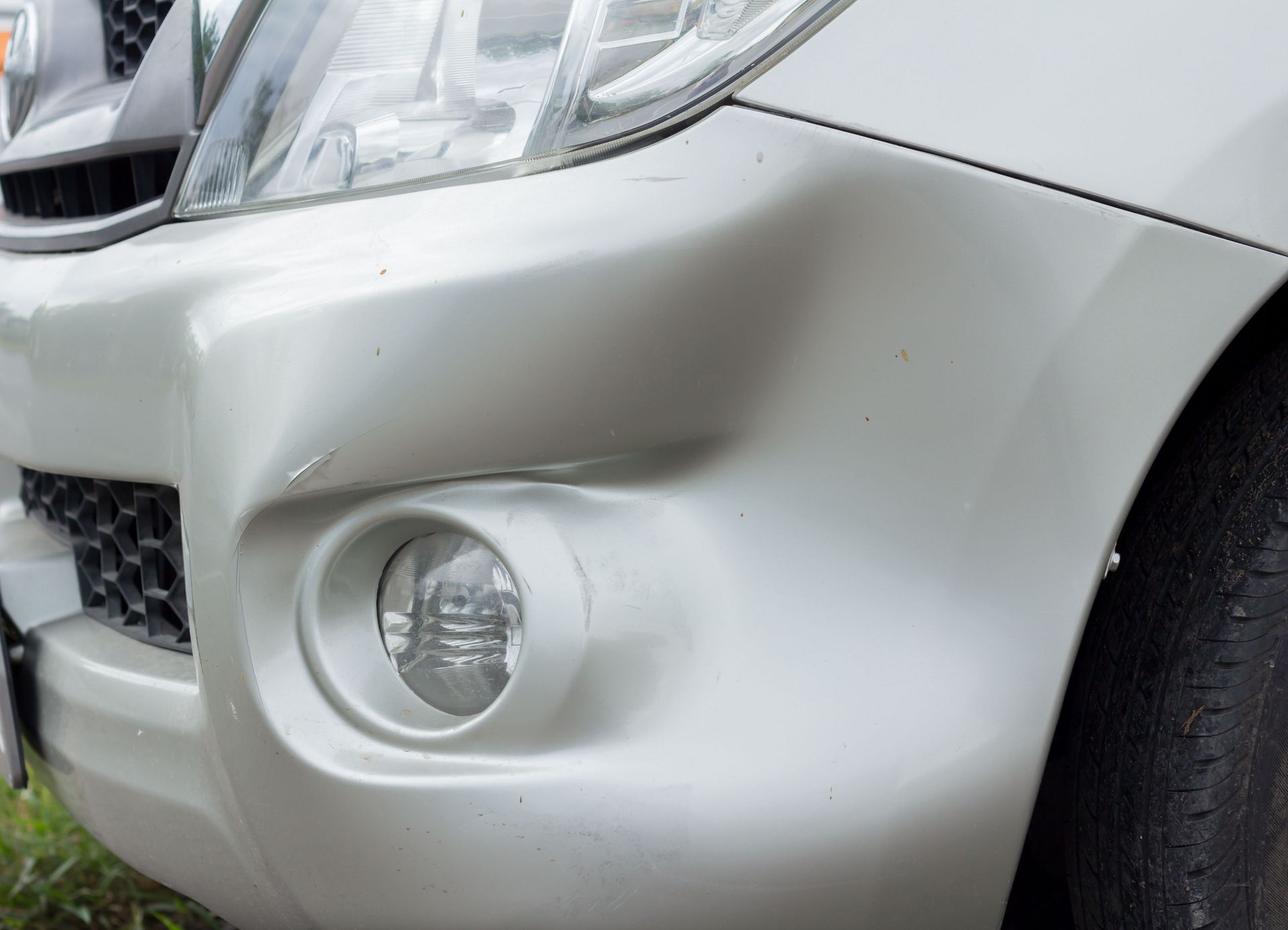
Paintless dent repair, commonly known as PDR, has transformed the automotive restoration industry by providing a streamlined, cost-effective, and highly efficient solution for removing minor surface imperfections. When a vehicle sustains minor damage from hail storms, stray shopping carts, or low-speed parking impacts, traditional auto body shop methods often require extensive panel sanding, chemical filler application, and complete color repainting. In contrast, utilizing PDR as a primary collision repair service allows vehicle owners to preserve their original factory finish while significantly reducing labor costs, material usage, and turnaround time. This innovative repair methodology relies on specialized mechanical tools, precise manual techniques, and specialized visual lighting equipment to manipulate damaged metal back into its original contour without disturbing the underlying paint layers.
The fundamental principle behind paintless dent repair involves accessing the backside of the damaged body panel and meticulously massaging the metal back into alignment. According to AAA, an estimated 80% to 90% of minor dents and dings may be fixed using PDR (paintless dent repair). This high success rate underscores why insurance carriers, automotive fleet managers, and vehicle restoration specialists frequently recommend PDR over invasive conventional bodywork. By eliminating the need for complex paint-matching procedures, heavy grinding, and toxic chemical applications, the process safeguards the factory-applied electrocoat and clear coat, which are vital for long-term corrosion protection.
Understanding the Mechanics and Tooling Involved in Dent Removal
The success of paintless dent repair relies heavily on specialized mechanical tooling, precise hand-eye coordination, and accurate visual feedback systems. Technicians utilize an array of high-grade spring steel rods, long-reach wire tools, and custom body picks designed to maneuver through tight interior cavities, door skins, quarter panels, and double-walled support structures. When backside access to a dented area is restricted by structural cross-members, technicians employ specialized glue-pulling systems.
Beyond basic dent removal, precise pressure application is crucial to avoid stretching the metal geometry beyond its elastic memory limits. Technicians use precision tap-down tools made of high-density polymers or polished aluminum, combined with specialized blending hammers, to carefully dress high spots and relieve stress concentrations around the perimeter of the impact area. This continuous push-and-tap sequence redistributes panel tension evenly, ensuring the restored metal retains its structural integrity without flexing or bowing. Because modern auto body panels feature complex character lines and variable sheet metal thicknesses, technicians must possess a deep understanding of metallurgy to adapt their leverage, pivot points, and pushing pressure according to the specific material properties of the vehicle being repaired.
Evaluating Environmental and Economic Benefits of Modern Collision Repair Service
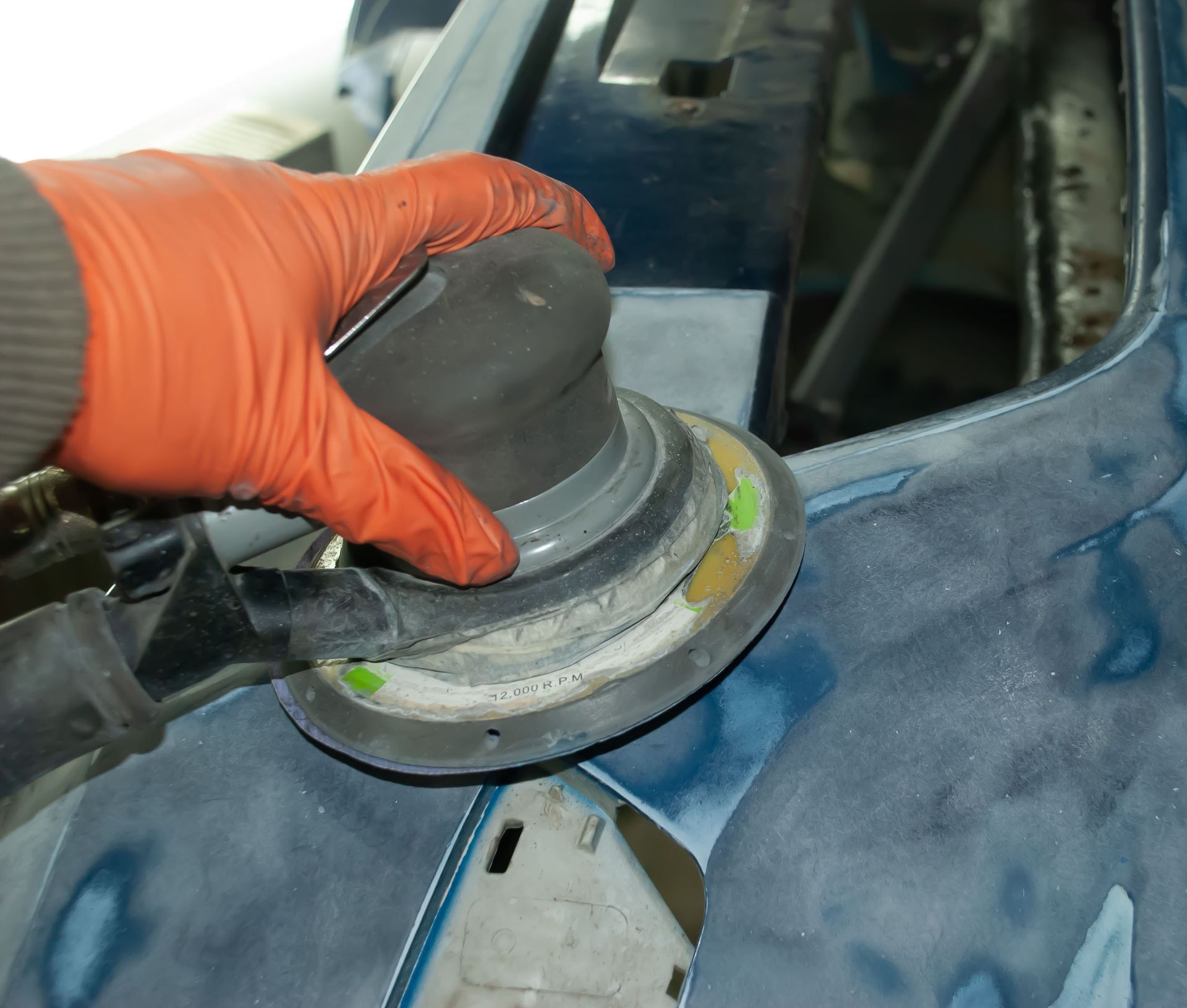
Opting for PDR through a professional collision repair service yields substantial economic savings compared to traditional auto body repair methods. Conventional body shop workflows demand extensive billable labor hours for panel disassembly, surface preparation, body filler sanding, primer curing, basecoat application, clear coat blending, and final polishing. By bypassing these labor-intensive operational steps, PDR dramatically reduces total labor hours and eliminates expensive paint and consumable material costs, transferring those savings directly to the consumer or insurance policyholder. Furthermore, because PDR operations are completed in a fraction of the time required for standard refinishing, vehicle owners experience minimal disruption, lower rental car expenses, and quick vehicle turnaround.
From an ecological standpoint, PDR represents one of the most sustainable practices within the modern automotive repair sector. Traditional auto refinishing releases volatile organic compounds (VOCs) and hazardous air pollutants into the atmosphere during sanding and spraying operations, requiring localized air filtration systems and specialized chemical waste management. PDR is inherently eco-friendly because it uses no chemical solvents, polyester body fillers, toxic primers, or automotive paint mixtures, generating zero hazardous chemical runoff or air emissions. Furthermore, by preserving existing metal panels rather than replacing them with new stamped metal parts, PDR reduces raw material consumption, cuts shipping carbon footprints, and keeps usable auto components out of landfills.
Adapting Repair Techniques to Advanced Vehicle Materials
Modern automotive manufacturing has seen a rapid shift toward lightweight materials, including high-strength aluminum alloys, ultra-high-strength steel, and advanced composite paneling. Aluminum panels, widely used in modern trucks, luxury sedans, and electric vehicles to reduce overall curb weight and improve energy efficiency, exhibit vastly different memory characteristics than traditional cold-rolled steel. Aluminum possesses higher tensile strength, less physical memory, and lower elasticity, meaning it requires specialized thermal heating techniques and distinct leverage forces during the repair process. Professional technicians must carefully monitor panel temperatures with infrared sensors during PDR on aluminum surfaces to maintain metal ductility, prevent stress fracturing, and avoid damaging the clear coat.
Additionally, the integration of complex sensor networks, advanced driver assistance systems (ADAS), and intricate door impact beams requires technicians to exercise extreme caution during component access. Modern body shop technicians must thoroughly review factory repair guidelines before removing interior trim panels, headliners, wiring harnesses, or door modules to gain backside access to damaged panels. Ensuring that blind-spot radar modules, parking sensors, side-curtain airbag assemblies, and delicate lane-departure camera wiring remain undisturbed during the dent extraction process is paramount for occupant safety. By combining advanced metallurgical knowledge with a meticulous understanding of modern automotive electronics, skilled technicians can safely return high-tech vehicles to exact factory specifications.
Selecting Qualified Technicians and Navigating Insurance Claims
Selecting a certified, highly trained technician is crucial for achieving high-quality paintless dent repair, as the technique relies heavily on manual skill, patience, and tactile feedback rather than automated machinery. When searching for a reliable collision repair service, vehicle owners should look for credentials from recognized industry organizations, such as National Institute for Automotive Service Excellence (ASE) certifications, Master PDR Technician designations, or specialized manufacturer training certificates. Requesting comprehensive portfolio documentation, reviewing verified customer testimonials, and confirming written warranty coverage on repair craftsmanship are essential steps in identifying reputable auto body facilities. Experienced technicians perform thorough initial assessments using digital optical inspection devices to evaluate damage depth, paint elasticity, and panel curvature, ensuring PDR is the safest and most effective repair route.
Technicians work directly with insurance adjusters to provide detailed line-item estimates utilizing standardized digital matrix scoring based on dent count, dent diameter, accessibility factors, and panel material type. Choosing an auto body shop that handles insurance administration directly streamlines the claims process, reduces out-of-pocket expenses for policyholders, and ensures all completed work conforms to strict industry quality standards.
Examining Future Trends in Automotive Body Restoration
The future of automotive body restoration is closely tied to technological innovation and advanced diagnostic tooling. Emerging equipment, such as laser-guided panel mapping, computerized acoustic emission sensors, and digital indentation scanners, allows technicians to analyze structural deformation with extreme precision before applying manual force. These diagnostic devices map micro-strains in the metal surface, guiding technicians on the exact angle, depth, and pressure required for optimal restoration. As these technologies become standard across auto body facilities, the efficiency and consistency of non-invasive body repairs will reach unprecedented levels, expanding the scope of damage that can be successfully repaired without paint.
The rapid growth of the electric vehicle (EV) market is creating new opportunities and technical requirements for body repair specialists. Electric vehicles feature extensive high-voltage battery enclosures, specialized lightweight aluminum construction, and unique structural rigidity requirements that demand precise, non-thermal or low-thermal repair solutions. Non-invasive dent removal eliminates the high baking temperatures associated with traditional paint booths, protecting sensitive lithium-ion battery chemistries and internal electronic control units from thermal stress. As EV adoption continues to expand globally, body shops that integrate non-invasive restoration processes into their core offerings will lead the market in delivering safe, EV-compatible body repairs.
As vehicle designs and materials continue to advance, relying on certified professionals equipped with specialized tools and technical expertise ensures that minor panel damage is addressed safely and effectively. Utilizing PDR through a trusted collision repair service empowers car owners to preserve their vehicle's value while supporting sustainable automotive practices. For more information about the services that we offer, reach out to our incredible team at Bump & Grind Auto Body today!

Share On: